How to Winterize Your Pool: A Step-by-Step Closing Guide
By Pool DIY Pro TeamAugust 8, 2026No CommentsMaintenance
Winterizing isn't just busywork before the cold sets in. Done right, it protects your pump, filter, and plumbing from expensive freeze damage, and it means you'll uncover clear water in spring instead of a green swamp.
The process comes down to five things: deep-clean and balance the water, add winter chemicals, lower the water level and clear the lines, drain and store the equipment, and seal it all under a tight cover. Here's how to do each step.
Step 1: Deep Clean and Balance the Water
Start with the cleanest water possible, because whatever you close the pool with is what you'll open it with. Organic matter left behind feeds algae all winter.
Clean thoroughly: skim the surface, brush the walls, and vacuum the floor to remove every leaf, bug, and bit of debris.
Balance the chemistry: test and adjust pH, total alkalinity, and calcium hardness into their normal ranges.
Shock the pool: add a heavy dose of shock a few days before closing to kill any lingering bacteria or algae, and let it drop back to normal before you cover up.
Need exact amounts for balancing and shocking? Enter your pool volume and current readings below.
Calculate Your Closing Doses
Step 2: Add Winterizing Chemicals
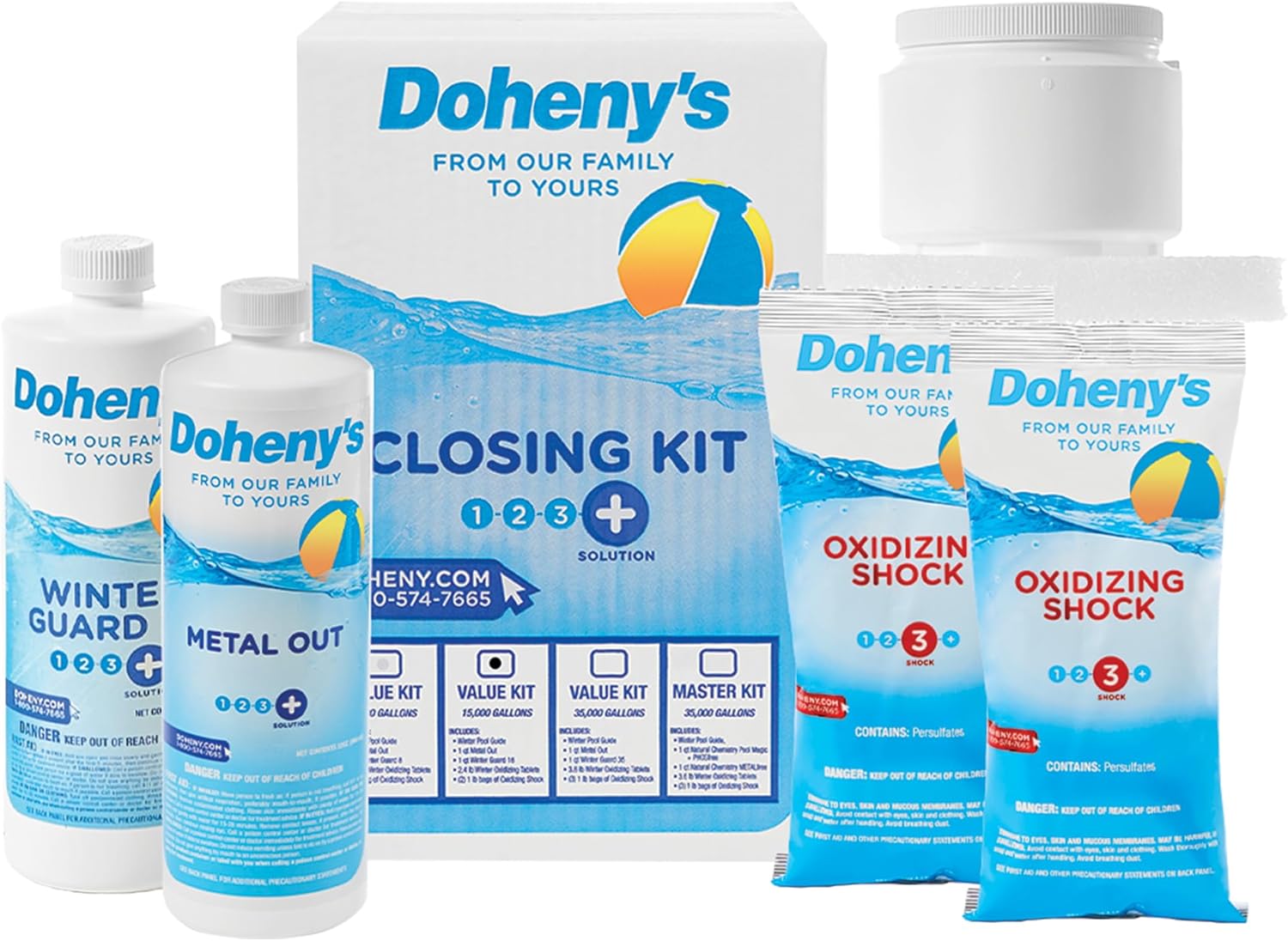
A winter chemical kit keeps the water clear through the cold months so your spring opening is far easier. Pour in your winter algaecide and treatment, then run the pump for 3 to 4 hours to distribute everything before you shut things down.
Step 3: Lower the Water and Clear the Lines
This is the step that prevents cracked pipes and a split skimmer. Water left in the lines freezes, expands, and breaks things, so get it out.
Lower the water: use the pump's "waste" setting to drop the level just below the return jets or the skimmer throat.
Blow out the lines: use a shop vac or air compressor to push water out of the plumbing until you see bubbles in the pool.
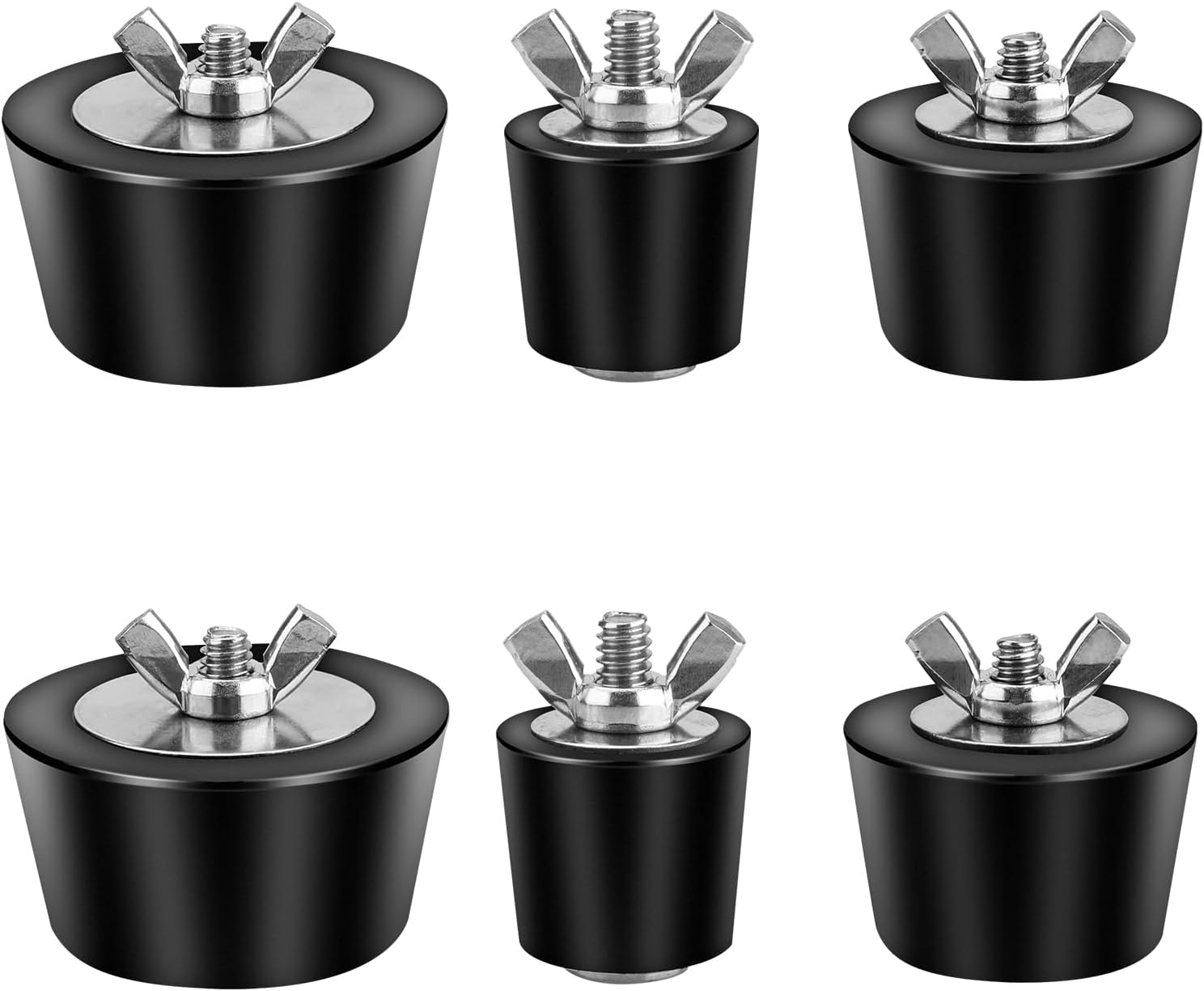
Plug the outlets: seal the return lines with winter plugs and fit an expansion tube in the skimmer to absorb ice pressure.
Step 4: Drain and Store the Equipment
Standing water inside a pump or filter will crack the plastic casing if it freezes. Empty everything.
Pull the drain plugs from the pump basket, filter tank, and heater. Drop the loose plugs into the pump basket so you don't lose them over winter.
For above-ground pools, disconnect the flexible hoses and store them somewhere dry, like a garage or shed.
Step 5: Install the Air Pillow and Winter Cover
The final step keeps sunlight and debris out and manages winter precipitation.
Set the pillow: inflate a pool pillow to about 60–80% (leaving room to compress) and tie it in the center. It breaks up ice sheets and pushes rain and snow toward the edges.
Secure the cover: pull the winter cover over the pool and anchor it tightly, water bags for in-ground pools, or a cable-and-winch system for above-ground pools.
A full DIY pool closing walkthrough covering cleaning, blowing out lines, and covering up (Home Rapid Repair).
Best Products
Disclaimer: all product links below go to Amazon.com. As an Amazon Associate we may earn from qualifying purchases.
1
Best Winter Chemical Kit
In The Swim Winterizing Chemical Kit
A popular all-in-one closing kit with slow-release, chlorine-free floaters and stain protectants that keep the water clear through winter. Sized by pool volume, so match it to your gallons.
Threads directly into the skimmer and absorbs ice expansion, preventing the plastic skimmer throat from splitting, one of the most common and costly winter failures.
Heavy-duty rubber plugs that expand as you turn the wingnut, creating a watertight seal inside your return jets so no water sits in the lines to freeze.
Inflated and tied in the center of the pool, the pillow breaks up ice sheets and channels rain and snow to the edges, protecting the walls and cover from ice pressure.
Once water temperatures stay consistently below about 60°F. Closing while it's still warm lets algae grow under the cover; closing too late risks a freeze before you're done.
Do I really need to blow out the lines?
In any climate that freezes, yes. Water left in the plumbing expands as it freezes and cracks pipes, the skimmer, and equipment, the single most expensive winter mistake.
Should I drain the pool completely for winter?
No. Only lower the level below the returns or skimmer. Fully draining a hard-sided pool can crack or heave the shell. Leave most of the water in and protect the lines instead.
Final Verdict
Winterizing is a few hours of work that saves you from cracked pipes and a green spring opening. Clean and balance the water, add a winter kit, lower the level and clear the lines, drain the equipment, and seal it under a pillow and tight cover. Do it before a hard freeze and you'll thank yourself in April.